Common questions
Scalp Micropigmentation: Common Questions
Explore common scalp micropigmentation questions about the procedure, preparation, maintenance and choosing a practitioner.
Questions and answers
Browse the questions below. For current training details, choose your region at the end of the page. Personal treatment suitability should be discussed with an appropriately qualified practitioner.
1. What is scalp micropigmentation (SMP)?
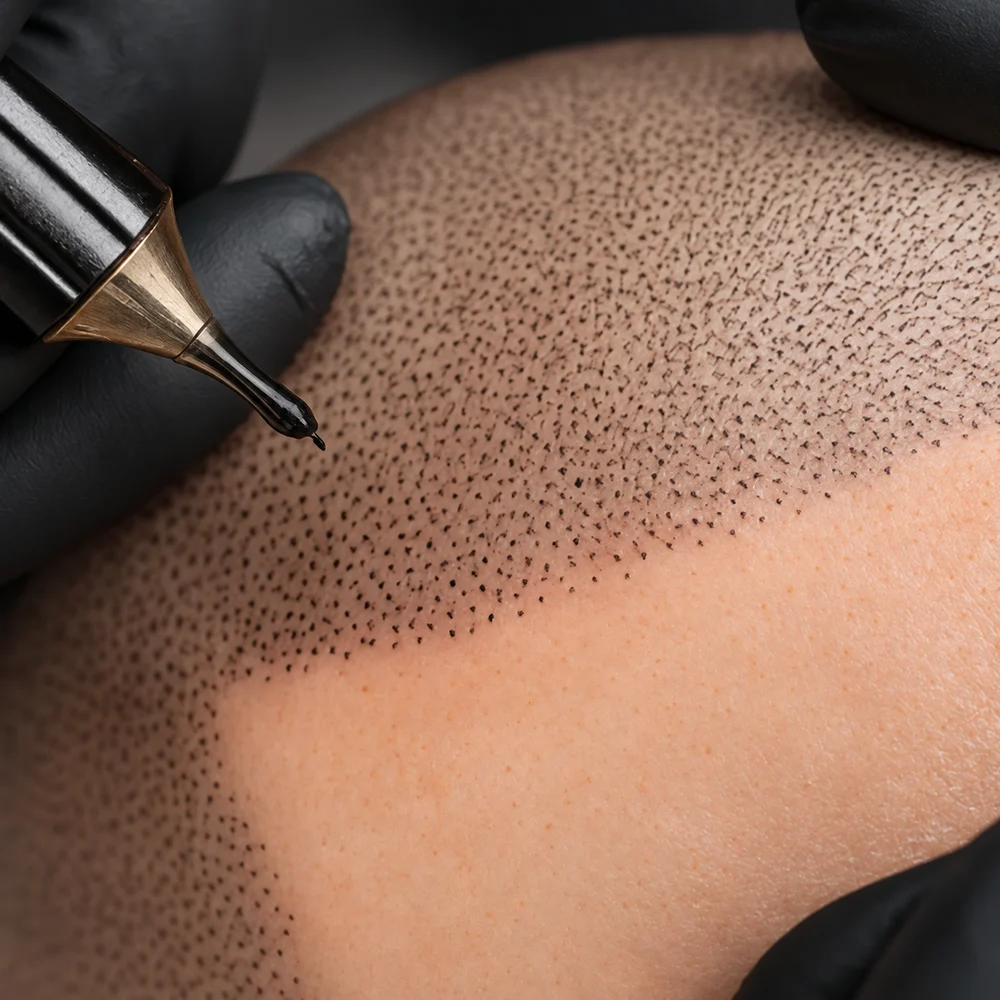
Scalp micropigmentation is a form of cosmetic tattooing that places small dots of pigment in the scalp to create the appearance of closely shaved hair or greater hair density. It camouflages hair loss rather than growing new hair.
2. Who can benefit from SMP?
SMP can camouflage some forms of hair loss and scalp scarring, but it is not suitable for everyone. A consultation should assess scalp health, medical history and expectations. People prone to keloid scarring should avoid SMP and seek medical advice.
3. Is SMP a painful procedure?
Most clients experience only mild discomfort. The level of pain or discomfort is relative and varies from person to person.
4. How long does the SMP procedure take?
Session length and the number of appointments depend on the area treated and the proposed plan. Ask the practitioner to explain the expected appointments and healing intervals after assessing your scalp; a weekly schedule should not be assumed for everyone.
5. How long does SMP last?
SMP is a form of permanent cosmetic pigmentation. However, touch-ups may be required every 4-6 years due to fading.
6. Does SMP look natural?
Yes, when done by a skilled practitioner, SMP can look very natural. It replicates the natural appearance of real hair follicles.
7. Can I wash my hair after the SMP procedure?
Follow the washing schedule in your written aftercare instructions. Keep the treated scalp dry until your practitioner advises that washing can resume.
8. Will SMP affect future hair growth?
SMP is cosmetic camouflage, not a treatment that regrows hair or stops the cause of hair loss. If your hair is thinning or changing, a dermatologist can assess the cause and discuss treatment before you decide on camouflage.
9. Can I exercise after SMP?
Avoid heavy exercise and sweating during initial healing. Ask your practitioner when your scalp is ready for your usual activities.
10. Can women have SMP treatment?
Yes, SMP is suitable for both men and women suffering from hair loss.
11. What if I'm not happy with my SMP treatment?
It's important to discuss expectations and desired outcomes with your practitioner beforehand. However, if you're not satisfied, some options can lighten or remove the pigment.
12. Can I use hair products after SMP?
Ask your practitioner when to restart styling products. Follow the written aftercare instructions and avoid applying products to the treated area before it is ready.
13. Can SMP cover scars?
Yes, SMP is often used to conceal scars on the scalp from hair transplants, accidents, or surgeries.
14. Does SMP cause side effects?
Temporary redness or discomfort can occur. Other risks include infection, pigment allergy and an unwanted cosmetic result. Seek medical care for fever, pus, severe pain, worsening redness or swelling.
15. Does SMP work for any hair color?
Yes, SMP pigments can be blended to match almost any hair color, including most shades of blonde, red, brown, and black.
16. Can SMP damage existing hair follicles?
Properly performed SMP is intended to place pigment in the skin rather than treat hair follicles. It still punctures the scalp, and inappropriate technique, infection or scarring can cause harm. Discuss scalp health, practitioner experience and the risks before treatment.
17. Is SMP noticeable?
The aim is to create a natural-looking effect, but how noticeable it is varies. Review healed examples and discuss the hairline, colour and realistic appearance with the practitioner before deciding.
18. What happens if I lose more hair after my SMP treatment?
You can return for additional treatments to keep up with your hair loss.
19. Is SMP a tattoo?
Yes. SMP is a form of cosmetic tattooing that places small dots of pigment in the scalp to create the appearance of hair. It camouflages hair loss rather than growing new hair.
20. Can I swim after SMP?
Avoid swimming while the treated scalp is healing. Follow your practitioner's aftercare instructions rather than assuming a fixed number of days is safe for everyone.
21. Does SMP fade over time?
Yes, SMP can fade over time, typically after 4-6 years, which is why touch-ups are sometimes necessary.
22. How do I maintain my SMP treatment?
Regular gentle washing and moisturizing the scalp, protecting it from long sun exposure, and having touch-ups when needed help maintain SMP.
23. Can I shave my head after SMP?
Yes, you can shave your head. Many people do so to keep the remaining hair the same length as the pigmented areas.
24. Does SMP work on all skin types?
SMP can be considered for different skin tones, but suitability depends on individual assessment. Skin conditions, allergies and a tendency to form keloid scars can affect whether treatment is appropriate.
25. Can I dye my hair after SMP?
Discuss hair dye with your practitioner before treatment and follow their advice on when to resume colouring. A fixed one-week wait is not suitable guidance for every scalp.
26. Does SMP hide thinning hair?
Yes, SMP can create the illusion of thicker, fuller hair.
27. What is the healing time for SMP?
Healing and activity restrictions vary. Follow your practitioner's instructions and seek medical advice for signs of infection or symptoms that worsen.
28. How do I prepare for an SMP treatment?
Attend a consultation to discuss scalp health, allergies, medicines and your expectations. Follow the preparation instructions you receive, including how to wash or trim your hair before the appointment.
29. Can I go out in the sun after SMP?
Avoid sun exposure on the treated scalp during initial healing. Ask your practitioner about suitable protection and when sunscreen can be applied.
30. What type of ink is used for SMP?
Ask your practitioner which pigment product they use and how it is selected for your scalp and intended result. Product branding does not guarantee permanent colour stability or freedom from reactions.
31. Can I undergo hair transplant after SMP?
Yes, having SMP does not prevent you from having a hair transplant later.
32. Can SMP cause allergic reactions?
An allergic reaction to pigment is possible. Tell the practitioner about previous reactions and ask which products will be used. Seek medical advice if you have a history of significant reactions or develop persistent symptoms after treatment.
33. How soon will I see results from SMP?
You will see results immediately after the first session, but the full effect is visible after the completion of all sessions.
34. Can I get SMP if I have psoriasis or other scalp conditions?
This depends on the severity of your condition and should be discussed with your practitioner. If the scalp is inflamed, treatment may not be possible until the condition is controlled.
35. Can I choose my hairline style with SMP?
Yes, you can discuss your preferred hairline style with your practitioner before treatment.
36. How do I find a good SMP practitioner?
Look for practitioners with extensive experience, good reviews, and a comprehensive portfolio of their work.
37. What's the cost of SMP treatment?
Ask for a current quote in your local currency after the treatment area has been assessed. Confirm which appointments and follow-up are included. Treatment prices are separate from the training course prices linked below.
38. Can I remove SMP?
Laser treatment may lighten or remove SMP, but complete removal without scarring is not guaranteed. Cosmetic pigments need specialist assessment because some can darken after treatment. Ask a qualified treating clinician about the method, risks and likely result.
39. Can SMP turn blue or green over time?
Pigment appearance can change over time. Ask to see healed examples and discuss fading, colour changes and possible maintenance before choosing treatment.
40. Can I wear a helmet after SMP?
Discuss helmet use before booking, particularly if it is essential for work or travel. Plan treatment and recovery so you can follow aftercare instructions without compromising required safety protection.
41. Can I cut my hair before SMP treatment?
Yes, you can, and in some cases, you may be asked to shave or trim your hair before treatment.
42. Will the needle used for SMP cause damage to my scalp?
SMP punctures the skin to place pigment. Appropriate technique and infection-control measures matter; skin injury, infection, allergic reactions and scarring are possible. Discuss the risks before treatment.
43. Can SMP cause cancer?
A blanket guarantee about cancer risk or long-term pigment safety would be misleading. Research into tattoo inks continues. Ask which pigment will be used and discuss personal health concerns with a healthcare professional.
44. Can I use SMP to add density to my hair transplant?
Yes, many people use SMP to increase the appearance of density after a hair transplant.
45. How should I clean my scalp after SMP?
Follow the cleaning method and timing in your written aftercare instructions. Do not scrub or pick the treated scalp, and ask your practitioner before introducing cleansing products.
46. Does insurance cover SMP?
Generally, insurance companies consider SMP a cosmetic procedure and do not provide coverage.
47. Can I use minoxidil or finasteride after SMP?
Ask your prescriber or pharmacist how to manage hair-loss medicines around SMP. Topical minoxidil must not be applied to an inflamed, infected, irritated or painful scalp. Do not change prescribed treatment without advice.
48. Can I go bald after SMP?
SMP doesn't prevent future hair loss. If you continue to go bald, additional treatment may be necessary.
49. What is the success rate of SMP?
There is no single success rate given here that applies to every practitioner or client. Assess healed examples, discuss realistic expectations and ask how unsatisfactory results are handled.
50. How do I know if SMP is right for me?
Consult with an experienced practitioner. Discuss your goals, health history, and expectations to determine if SMP is a good fit for you.
Compare your training options
Explore our body-art subject guide, compare online and practical learning, or contact the team about a course.
Reference: Cleveland Clinic’s scalp micropigmentation guide.
Explore the current training options
Choose your region to review local course details, prices and enrolment terms on Skinart Training.