Common questions
Microblading: Common Questions
Explore common microblading questions about the procedure, preparation, aftercare and choosing a practitioner.
Questions and answers
Browse the questions below. For current training details, choose your region at the end of the page. Personal treatment suitability should be discussed with an appropriately qualified practitioner.
1. What is microblading?
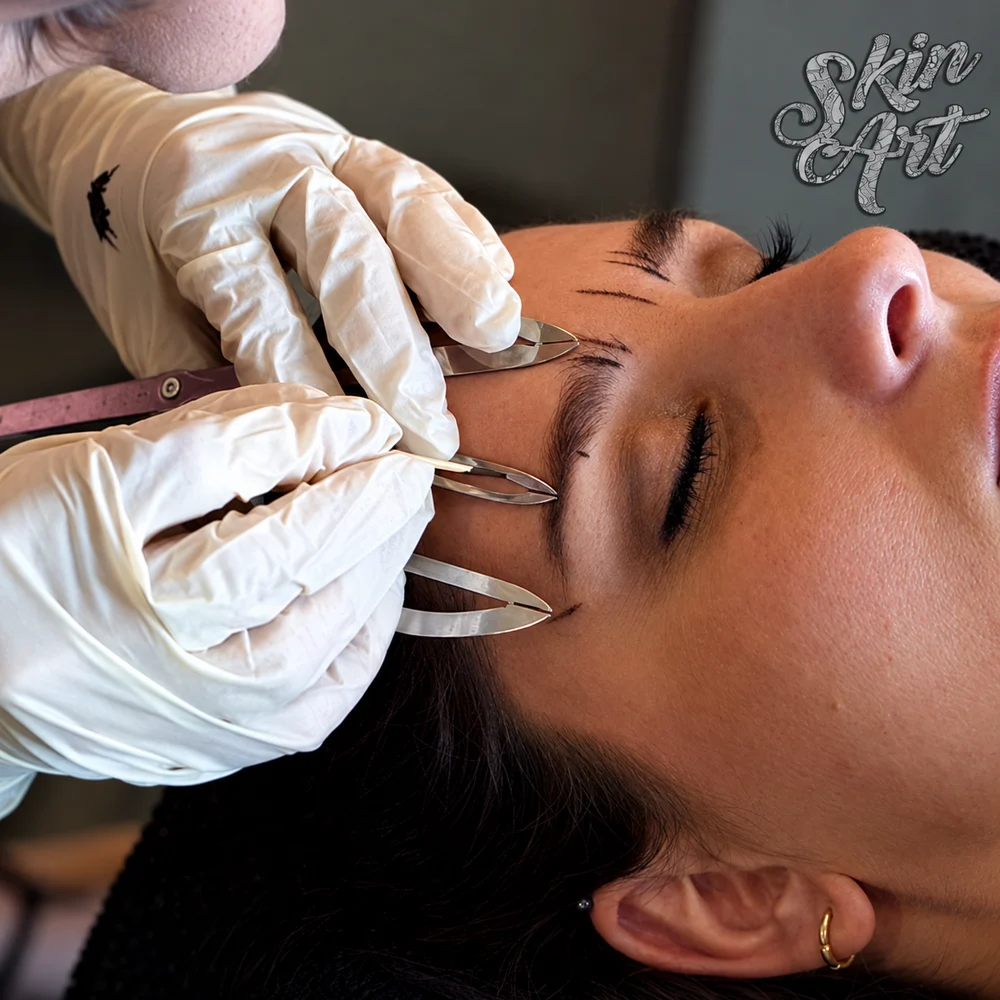
Microblading is a form of cosmetic tattooing that uses fine strokes to create the appearance of brow hairs. The pigment may fade, but it should not be treated as temporary makeup that will reliably disappear completely.
2. How does microblading work?
A practitioner uses a manual tool with a fine needle grouping to place pigment in hair-like strokes. Tool configurations vary; microblading is cosmetic tattooing, not drawing temporary colour on the surface.
3. How long does microblading last?
Fading varies with the pigment, technique, skin and aftercare. Visible pigment can remain for years, so do not assume microblading will disappear completely after a set period.
4. Is microblading painful?
The pain level can vary depending on your sensitivity, but generally, a numbing cream is applied beforehand to minimize discomfort.
5. Is microblading safe?
Microblading breaks the skin and carries risks, including infection, allergic reactions and scarring. Appropriate training and hygienic practice reduce avoidable risks but cannot eliminate them; even sealed pigment can be contaminated. Discuss your health history and the products used before deciding.
6. What should I do before a microblading appointment?
Tell your practitioner about your health conditions, medicines and supplements before booking. If you take blood-thinning medication, ask your prescribing clinician whether microblading is appropriate. Do not stop or change prescribed medication to prepare for an appointment unless your prescribing clinician advises it.
7. How long does the microblading procedure take?
The procedure typically takes about 2-3 hours, including the consultation, numbing, and the procedure itself.
8. What's the healing process like?
Healing varies. Early swelling, darker colour and flaking may settle over the following weeks; do not pick the skin. Follow your practitioner's review schedule before judging the healed colour or arranging more pigment.
9. How should I care for my brows after microblading?
Follow the written aftercare instructions for your procedure, including cleaning, recommended products and when to resume exercise. Avoid soaking, swimming and picking the healing skin, and protect it from direct sun.
10. Can I wear makeup after microblading?
You should avoid applying makeup to the brow area while it's healing to avoid infection.
11. Can I get my brows wet after microblading?
Ask your practitioner how and when to clean the treated brows. Gentle cleaning instructions and restrictions on soaking are different; follow your written aftercare plan rather than treating a seven-day rule as suitable for everyone.
12. What happens during the touch-up appointment?
A follow-up appointment reviews the healed result and whether any adjustment is appropriate. Agree the timing with your practitioner and allow the skin to heal before further work; additional pigment is not always necessary.
13. Can anyone get microblading?
Most people can get microblading, but those with certain medical conditions, pregnant or nursing women, and people on specific medications may be advised against it.
14. Does microblading cause scarring?
Scarring is possible after microblading, including raised scars in people prone to keloids. Correct technique does not guarantee scar-free healing. Tell the practitioner about previous abnormal scarring and seek medical advice about suitability if you are concerned.
15. Will microblading look natural?
The aim is to create hair-like strokes, but a natural-looking result is not guaranteed. Discuss the shape, colour and healed appearance before treatment, and look at examples of healed work rather than only freshly treated brows.
16. Can I choose the shape of my brows?
Yes, your technician will work with you to design a shape that suits your face and preferences.
17. Can microblading cover up an old eyebrow tattoo?
Sometimes, depending on the color and intensity of the old tattoo. Consult with your technician.
18. What will the final color look like?
The final color will depend on the pigment color chosen and how your skin reacts. It will initially look darker and then lighten during the healing process.
19. What happens if I don't like the results?
Discuss your concerns with the practitioner before adding more pigment. Some results may be adjusted after healing, but correction or removal can be difficult and is not guaranteed. Seek a qualified assessment rather than trying home removal products.
20. How often will I need to get touch-ups?
Arrange a review when you are concerned about the healed colour or shape. Additional pigment should depend on an assessment of the skin and existing work, rather than an automatic annual schedule.
21. Is there anyone who shouldn't get microblading?
People with certain skin conditions like psoriasis, eczema, or dermatitis in the brow area may be advised not to get microblading. Always consult a professional.
22. What's the difference between microblading and eyebrow tattooing?
Microblading is a type of eyebrow tattooing, usually performed with a manual tool to create hair-like strokes. Machine techniques can also create brow effects. Neither method automatically looks more natural; compare healed work, suitability and the practitioner's technique.
23. How much does microblading cost?
Treatment prices vary by country, practitioner and what is included. Request a current local quote and ask whether consultation, follow-up and any touch-up are included. For training fees, use the regional course link below; treatment prices and course prices are different.
24. What if I have no eyebrow hair at all?
Microblading can create the appearance of brow hairs, but it does not treat the cause of hair loss. If you have alopecia or are receiving or recovering from cancer treatment, ask your treating clinician about suitability and timing before booking. Chemotherapy can increase infection risk, so microblading is not usually recommended during treatment.
25. Can I get microblading while pregnant or nursing?
It is typically advised to avoid this procedure while pregnant or nursing.
26. Can I remove my microbladed eyebrows?
Removal is possible but complicated and should be done by a professional. It's better to carefully consider the decision before getting microblading.
27. Does microblading prevent natural hair growth?
Microblading adds pigment rather than growing or removing hair. It should not be presented as a guarantee that hair growth will be unaffected. If your brows are thinning or changing, seek a dermatologist's assessment of the cause before choosing cosmetic camouflage.
28. How do I choose a microblading artist?
Check relevant training, practical experience, hygiene procedures and any local registration requirements. Ask to see healed work and discuss risks, suitability and written aftercare. A certificate or positive reviews alone do not establish competence.
29. Can microblading be done on oily skin?
Yes, but results may not last as long due to the natural oils in the skin.
30. Can I exercise after microblading?
Follow your practitioner's written advice about exercise, sweating and activities that may irritate or contaminate the healing area. Resume strenuous activity according to how your skin is healing rather than assuming one week is suitable for everyone.
31. What are the risks and side effects of microblading?
Potential side effects include redness, swelling, and slight discomfort. The main risks are infection, allergic reactions, and dissatisfaction with the aesthetic result.
32. How do I know if my brows are infected after microblading?
Some early redness and swelling can occur, but worsening symptoms, pus, a persistent rash or skin that is not healing need medical assessment. Contact a healthcare professional rather than relying on the practitioner to diagnose it. Seek urgent medical care if you develop fever, chills or feel seriously unwell.
33. Can I use my regular skincare products after microblading?
You should avoid applying any products directly to the treated area until it's completely healed.
34. Can I pluck, thread, or wax my brows after microblading?
Once the area has completely healed, you can resume your normal brow maintenance.
35. What is microshading?
Microshading is similar to microblading but uses a stippling method to fill in the brows, resulting in a softer, powdered look.
36. Is microblading vegan and cruelty-free?
This depends on the pigments and products used by the technician. Many use vegan, cruelty-free products, but it's best to ask.
37. What should I do if I'm unhappy with my microbladed brows?
Discuss your concerns with the practitioner once the brows have healed. Adding more pigment may not solve the problem; ask about realistic correction options and seek an independent qualified assessment if needed.
38. What does the aftercare process involve?
Use the cleaning and product instructions supplied for your procedure. Avoid picking, soaking and direct sun while healing. Contact a healthcare professional if symptoms worsen or the area is not healing.
39. Will my eyebrows look too dark immediately after the procedure?
Yes, the brows will appear darker initially but will lighten during the healing process.
40. Can I get microblading if I have sensitive skin?
Sensitive skin needs an individual assessment, particularly if you have allergies or an active skin condition. Discuss the pigments and other products with the practitioner. A negative patch test cannot guarantee that a pigment reaction will not occur; seek medical advice if you have a history of significant reactions.
41. Can I get microblading if I have an existing skin condition?
It depends on the condition. Conditions affecting the brow area (like eczema, dermatitis) may disqualify you from the procedure. Always consult a professional.
42. How do I prepare for a microblading appointment?
Tell your practitioner about your health conditions, medicines and supplements before booking. If you take blood-thinning medication, ask your prescribing clinician whether microblading is appropriate. Do not stop or change prescribed medication to prepare for an appointment unless your prescribing clinician advises it.
43. Does microblading cause hair loss?
Do not assume new eyebrow hair loss is normal or that microblading can never be involved. A dermatologist can assess thinning, inflammation or scarring and discuss the cause. Avoid adding more pigment over unexplained changes until they have been assessed.
44. Can I have microblading if I have had Botox?
Tell both your injector and microblading practitioner about recent or planned injectable treatments. Ask them to agree the timing before booking; a two-week interval should not be treated as automatic clearance for everyone.
45. Can I have microblading if I'm on Accutane?
Do not book microblading while taking isotretinoin without discussing it with your prescribing dermatologist. Skin fragility and scarring risk can persist after treatment. NHS patient guidance advises avoiding tattoos for at least 6-12 months afterwards, but your dermatologist should advise when your skin is suitable. Do not stop prescribed treatment to have microblading.
46. What are the steps of the microblading procedure?
The process involves a consultation, brow shaping, choosing the color, numbing the area, the microblading procedure, and aftercare instructions.
47. Can I get microblading over a scar?
It's possible, but the results can be unpredictable as scar tissue may react differently to the pigment.
48. Will my microbladed brows fade?
Microblading may fade or change in appearance, but complete fading is not guaranteed. A touch-up is an option to discuss after assessment, not an automatic requirement.
49. What factors can affect how long my microblading lasts?
Factors like skin type, exposure to the sun, use of certain skincare products, and overall lifestyle can affect longevity.
50. Can I do microblading at home?
Do not attempt microblading on yourself or another person without appropriate professional training, a suitable hygienic setting and the required practical competence. A certificate alone does not guarantee safe practice or a particular result.
Compare your training options
Explore our body-art subject guide, compare online and practical learning, or contact the team about a course.
Explore the current training options
Choose your region to review local course details, prices and enrolment terms on Skinart Training.